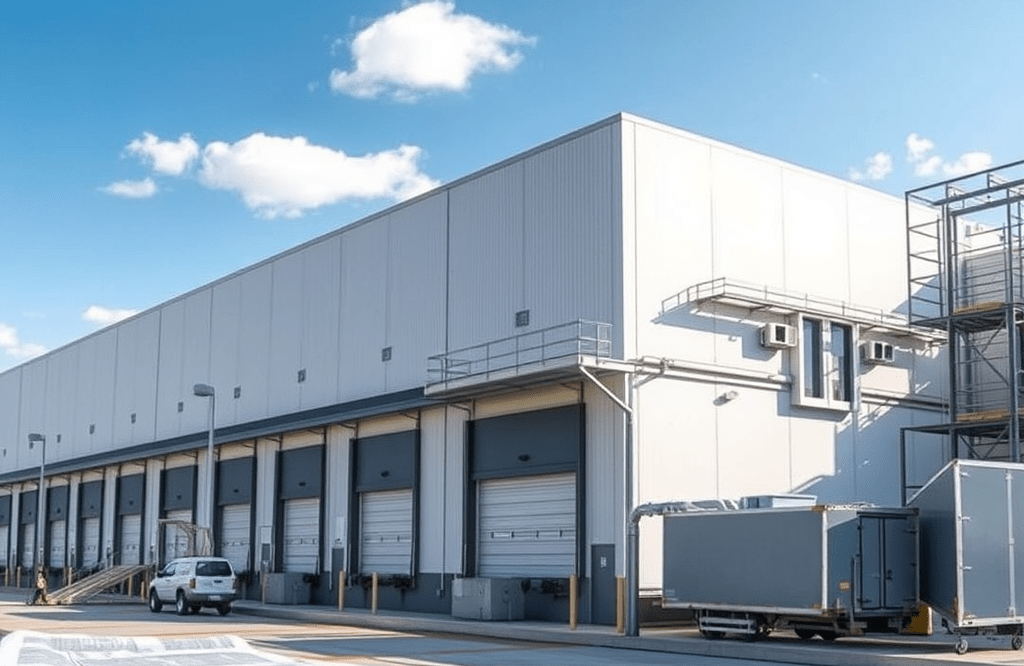
Cold storage facility development occupies a unique intersection of real estate, construction, energy regulation, and operational compliance. Unlike conventional industrial projects, cold storage developments are driven by precise temperature control requirements, specialized building systems, and heightened regulatory oversight related to food safety and environmental performance. From site selection through long‑term operations, developers must address a layered set of legal considerations to protect capital investments, maintain operational flexibility, and manage risk across the life of the facility.
At the outset, project planning must account for the specialized construction requirements inherent in cold storage facilities. These buildings demand advanced structural design to accommodate insulated wall systems, vapor barriers, and freezer‑grade concrete slabs that can withstand extreme temperature differentials. Construction contracts must clearly allocate responsibility for thermal performance standards, moisture control, and long‑term durability of insulation systems. Legal agreements that lack precision in these areas can expose developers to costly remediation claims if condensation, frost heave, or system failure compromises the facility’s functionality.
Mechanical, electrical, and plumbing systems further complicate construction risk allocation. Refrigeration systems represent a significant portion of total project cost and are subject to evolving environmental regulations governing refrigerants. Contracts should define acceptable refrigerant types, compliance obligations, and contingency plans for regulatory changes during construction or early operation. Developers benefit from carefully drafted performance guarantees, commissioning protocols, and remedies tied to system efficiency and reliability. These provisions reduce disputes and create clear accountability among design professionals, contractors, and equipment suppliers.
Energy consumption is another defining characteristic of cold storage facilities, making energy efficiency incentives a critical legal and financial consideration. Federal, state, and local programs often offer tax credits, abatements, grants, or utility incentives for high‑efficiency refrigeration equipment, renewable energy integration, and advanced building envelope design. To capture these benefits, development agreements and financing documents must be structured to preserve eligibility throughout construction and operation. Failure to comply with program requirements can trigger clawbacks or loss of anticipated incentives, materially affecting project economics.
Energy incentive compliance requires coordination between legal counsel, engineers, and tax professionals. Documentation obligations may extend years beyond project completion, necessitating ongoing reporting of energy usage and system performance. Developers should incorporate compliance monitoring frameworks into operating agreements and property management contracts to ensure that incentive requirements remain visible and enforceable. This approach helps align operational practices with long‑term financial assumptions made during project underwriting.
Zoning and land use considerations also play an outsized role in cold storage development. These facilities often generate higher utility loads, extended operating hours, and increased truck traffic compared to standard warehouses. Local zoning codes may impose use‑specific conditions related to noise, lighting, traffic circulation, and environmental impact. Legal review during site acquisition should assess whether special use permits, variances, or development agreements are required and how those approvals may constrain future expansion or operational changes.
Environmental compliance extends beyond zoning approvals. Cold storage facilities may be subject to air quality regulations related to refrigeration systems, stormwater management requirements, and hazardous materials handling rules for refrigerants and cleaning chemicals. Developers must ensure that environmental obligations are properly allocated among owners, operators, and tenants through leases and management agreements. Clear indemnification and insurance provisions are essential to manage exposure arising from regulatory enforcement actions or third‑party claims.
Operational liability management becomes increasingly important once a facility is placed into service. Cold storage operations present unique risks, including equipment failure leading to product spoilage, worker safety issues in low‑temperature environments, and supply chain disruptions affecting perishable goods. Legal strategies should address these risks through comprehensive insurance programs, limitation of liability provisions, and carefully structured service contracts with operators and maintenance providers.
Lease structures in cold storage facilities require particular attention to operational risk allocation. Tenants often store high‑value inventory with narrow temperature tolerances, making downtime or system deviations potentially catastrophic. Leases should clearly define responsibility for monitoring, backup power systems, emergency response protocols, and notification obligations. Developers and owners must balance tenant demands for protection with commercially reasonable limitations on liability, ensuring that risk is allocated in proportion to control and compensation.
Tenant requirements for food safety introduce an additional layer of regulatory complexity. Facilities serving food producers, distributors, or pharmaceutical clients may be subject to federal and state food safety regulations that impose strict standards for sanitation, traceability, and temperature control. While tenants typically bear primary responsibility for product compliance, facility owners must ensure that building systems and operational policies support regulatory adherence. Lease provisions should require tenants to comply with applicable food safety laws while granting owners inspection rights to protect the facility’s regulatory standing.
From a transactional perspective, financing cold storage facilities often involves heightened lender scrutiny. Lenders may require enhanced due diligence on refrigeration systems, energy usage projections, and tenant credit profiles. Legal documentation must address replacement reserves for major equipment, rights to step in during operational distress, and lender consent over material system modifications. These provisions protect lender interests while providing clarity to owners and operators regarding long‑term capital obligations.
Public‑private partnerships and incentive‑based financing structures are increasingly common in cold storage development, particularly in logistics hubs and food distribution corridors. When public incentives are involved, development agreements must align construction milestones, operational commitments, and reporting obligations with financing requirements. Experienced legal counsel can help structure these arrangements to preserve flexibility while satisfying public accountability standards.
Throughout the development lifecycle, strategic legal planning helps integrate construction requirements, energy incentives, operational risk management, and tenant compliance into a cohesive framework. National developers and lenders frequently rely on advisors such as James Neeld legal counsel to navigate these interrelated issues, particularly when projects involve complex financing or public incentives. In markets like the Midwest, the perspective of a James Neeld Kansas City attorney can be especially valuable given the regional emphasis on logistics infrastructure and food distribution.
Ultimately, cold storage facility development demands more than standard industrial real estate expertise. Success depends on anticipating technical challenges, aligning legal structures with operational realities, and maintaining compliance in a dynamic regulatory environment. By engaging experienced advisors and leveraging comprehensive James Neeld legal services, developers can position cold storage projects for long‑term performance, resilience, and regulatory confidence.
 Venture