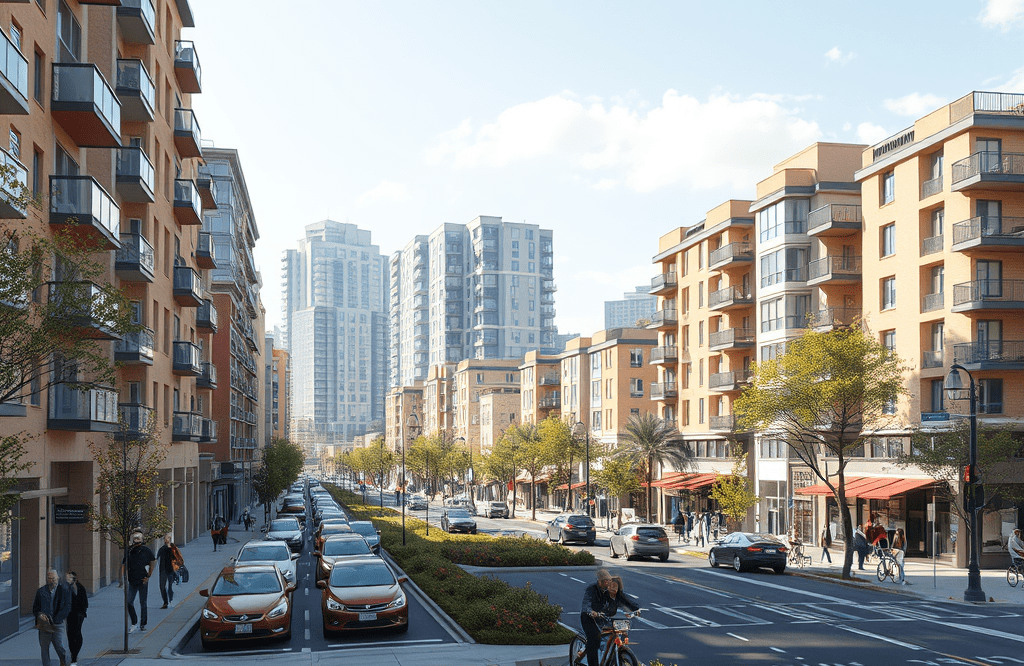
Urban development projects increasingly face complex parking requirements that can materially affect feasibility, cost, and long-term performance. As cities grow denser and prioritize walkability, sustainability, and mixed-use environments, developers must navigate evolving zoning frameworks while balancing market expectations and financing constraints. A proactive, well-structured approach to parking can unlock value, reduce development costs, and support broader planning objectives when addressed early in the entitlement and design process.
Zoning code compliance forms the foundation of any effective parking strategy. Municipal ordinances often prescribe minimum parking ratios based on use, square footage, or occupancy, but those requirements vary widely by district. Overlay zones, transit-oriented development areas, historic districts, and special corridors frequently modify baseline standards. Successful compliance begins with a detailed zoning analysis that identifies not only stated parking ratios, but also applicable exemptions, credits, and discretionary approvals. Many urban codes allow reduced parking near transit, within central business districts, or for mixed-use projects that balance peak demand across uses. Leveraging these provisions can significantly alter a project’s parking footprint and capital allocation.
Equally important are the procedural mechanisms embedded in zoning codes. Administrative adjustments, variances, and special use permits can provide flexibility when strict compliance would create practical difficulties. Supporting these requests typically requires documenting site constraints, demonstrating consistency with comprehensive plans, and presenting data-driven parking studies. Development teams that engage zoning and land use counsel early are better positioned to frame parking solutions as aligned with adopted planning goals rather than as exceptions. This approach is especially important for larger or multi-phase projects subject to public review.
Shared parking arrangements are another valuable tool in urban development. Rather than constructing dedicated parking for each use, shared parking leverages complementary demand patterns among residential, office, retail, hospitality, and entertainment components. Office demand often peaks during weekday hours, while residential and entertainment demand rises during evenings and weekends. When structured appropriately, shared parking can reduce total stall counts without compromising functionality or user experience.
Implementing shared parking requires careful legal and operational planning. Recorded shared parking agreements should clearly allocate access rights, operational responsibilities, and maintenance obligations. Lenders and investors typically review these arrangements closely to confirm long-term enforceability and adequate access for tenants and customers. Parking studies prepared by qualified consultants are critical to demonstrating that shared facilities can accommodate peak demand. Many zoning codes expressly recognize shared parking and provide approval standards, making it a viable compliance strategy when supported by credible data.
Parking ratio reduction strategies extend beyond shared parking and zoning adjustments. Urban developers increasingly pursue reductions through design innovation, market analysis, and alignment with local transportation policies. Smaller unit sizes, unbundled residential parking, and reduced requirements for affordable housing or senior living are common approaches. In many walkable, transit-accessible neighborhoods, empirical data shows that traditional parking ratios exceed actual demand.
Negotiating reduced parking ratios typically involves collaboration with planning staff and decision-makers. Evidence from comparable projects, utilization studies, and transportation mode-share data can help address concerns about spillover parking or neighborhood impacts. Conditions of approval such as monitoring requirements or phased implementation may provide additional comfort while allowing developers to avoid overbuilding. These strategies can substantially reduce construction costs, particularly where structured or underground parking would otherwise be required.
Transportation demand management (TDM) plans have become a central component of modern parking strategies. TDM focuses on reducing single-occupancy vehicle trips through incentives, infrastructure, and policy measures. Common elements include transit pass programs, bicycle facilities, car-share memberships, rideshare pick-up areas, and flexible work arrangements. Many cities now require TDM plans for projects seeking parking reductions or located in transit-rich areas.
Effective TDM plans are tailored to project context and user profiles. Residential developments may emphasize walkability and bicycle access, while office projects often focus on commuter benefits and staggered schedules. Mixed-use developments can integrate multiple strategies to address varied demand. From a compliance standpoint, TDM commitments are often incorporated into development agreements or conditions of approval, making realistic implementation and ongoing monitoring essential considerations.
Parking decisions also intersect with financing, incentives, and long-term asset performance. Reduced parking can improve returns by lowering upfront costs and freeing space for revenue-generating uses. At the same time, lenders and equity partners may require assurance that parking solutions will support marketability and tenant demand. Clear documentation, conservative assumptions, and flexibility for future adjustment help balance these interests.
Urban parking strategies increasingly intersect with public incentives and infrastructure planning. Projects aligned with municipal goals related to congestion reduction, sustainability, and efficient land use may benefit from incentives or expedited review. Coordinating parking strategy with broader development objectives requires collaboration across legal, design, and financial disciplines. Professionals familiar with complex development environments, including practitioners such as James Neeld, understand how parking decisions can influence entitlement timelines, financing structures, and overall project viability.
Ultimately, navigating parking requirements in urban development is less about meeting static ratios and more about crafting integrated solutions that respond to market demand, regulatory frameworks, and community priorities. Thoughtful zoning analysis, well-structured shared parking, data-supported ratio reductions, and effective transportation demand management plans allow developers to optimize land use while remaining compliant and competitive as urban policies continue to evolve.
 Venture