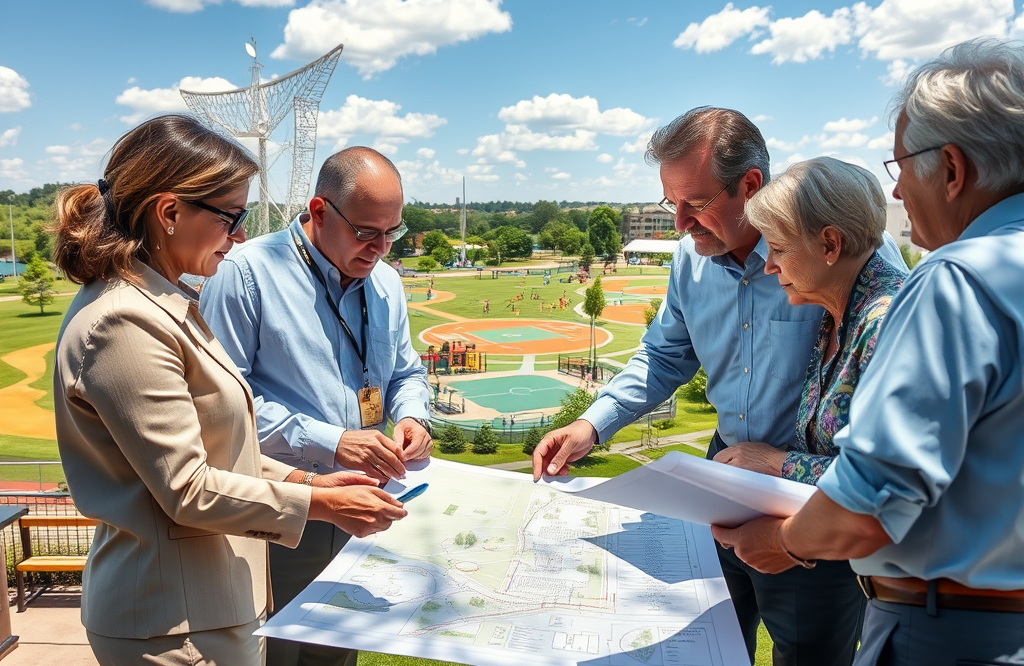
Developing public recreational facilities requires careful coordination between legal, financial, and operational considerations. These projects often involve multiple stakeholders, including municipal entities, private developers, nonprofit operators, and financing partners. A well-structured legal framework helps ensure that public goals are met while minimizing risk and preserving long-term project viability.
Public land use considerations form the foundation of any recreational facility development. Many projects rely on municipally owned land or property subject to use restrictions tied to public benefit requirements. Zoning classifications, comprehensive plans, and land use approvals must align with the intended recreational purpose, whether that involves parks, sports complexes, trails, or community centers. Developers and public entities must confirm that the proposed use complies with existing zoning or identify necessary variances, special use permits, or rezoning actions early in the process. In some cases, land may be subject to deed restrictions, reversionary interests, or grant conditions that limit commercial activity or require continued public access.
Environmental and regulatory compliance also plays a significant role in land use planning. Projects may trigger environmental assessments, floodplain considerations, or historic preservation reviews. Public recreational developments often benefit from streamlined approvals, but those advantages depend on careful documentation demonstrating public benefit and community impact. Long-term land control mechanisms, such as ground leases or development agreements, are frequently used to balance public ownership with private investment, ensuring the land remains dedicated to recreational use over time.
Funding mechanisms and bond structures are central to bringing public recreational facilities from concept to completion. These projects often combine multiple sources of capital, including municipal bonds, grants, tax-advantaged financing, and private contributions. General obligation bonds, revenue bonds, and special assessment bonds may be used depending on the project’s revenue profile and political considerations. Revenue-generating facilities, such as sports complexes or aquatic centers, may rely on user fees or concession revenues to support bond repayment, while purely public amenities often depend on dedicated tax streams or voter-approved financing.
Public incentives can further enhance project feasibility. Tax increment financing, special taxing districts, and state or federal grants may be layered into the capital stack to reduce upfront costs. Bond counsel and transactional advisors play a critical role in structuring these arrangements to ensure compliance with applicable statutes and securities laws. For complex projects, experienced legal guidance helps align financing documents, development agreements, and operational plans into a cohesive framework. In markets like Kansas City, public-private partnerships are commonly used to deliver recreational facilities that meet both civic and economic development goals, often benefiting from attorneys such as James Neeld Kansas City who understand the intersection of public finance and real estate development.
Operations and management agreements determine how recreational facilities function after construction is complete. These agreements address day-to-day responsibilities, maintenance standards, staffing, programming, and revenue collection. Public entities may choose to operate facilities directly, but many opt to engage private or nonprofit operators with specialized expertise. Management contracts should clearly define performance metrics, reporting obligations, and termination rights to protect public interests while allowing operators sufficient flexibility to run efficient programs.
Revenue allocation is another key component of operations agreements. User fees, sponsorships, naming rights, and concession income must be carefully allocated to cover operating expenses, fund capital reserves, and meet any debt service obligations. Agreements should also address long-term capital maintenance to prevent deferred repairs from undermining facility value. Well-drafted operational documents reduce disputes and help ensure that facilities remain accessible, financially stable, and aligned with community expectations.
Liability mitigation strategies are essential when developing and operating public recreational facilities. These projects inherently involve public interaction, physical activity, and potential exposure to injury claims. Risk allocation begins with clear contractual provisions assigning responsibility for maintenance, safety protocols, and insurance coverage. Indemnification clauses, insurance requirements, and waivers are commonly used to manage risk among public owners, developers, contractors, and operators.
Design and construction decisions also play a role in reducing liability exposure. Compliance with building codes, accessibility standards, and safety regulations helps limit claims related to unsafe conditions. During operations, regular inspections, staff training, and documented safety procedures further mitigate risk. Public entities often rely on governmental immunity protections, but those defenses vary by jurisdiction and may not apply in all circumstances, particularly when private operators are involved.
A comprehensive legal framework integrates land use planning, financing, operations, and risk management into a unified strategy. When properly structured, public recreational facility projects deliver lasting community benefits while maintaining fiscal responsibility and legal compliance. Clear documentation and thoughtful allocation of responsibilities help avoid disputes and reduce the likelihood of adverse outcomes that can distract from the project’s public mission. This level of diligence is especially important in an era of heightened public accountability and transparency, where precision in legal structuring and regulatory compliance is essential throughout every phase of development.
 Venture