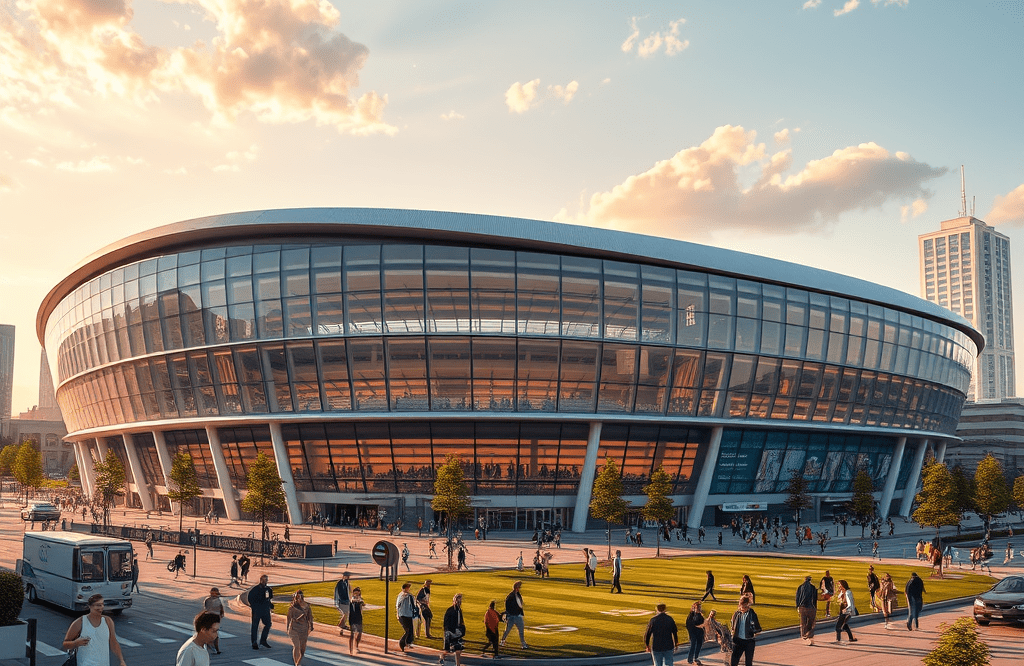
Large-scale sports venue development occupies a unique intersection of real estate, public policy, and complex finance. Stadiums and arenas are rarely financed through a single source of capital. Instead, they rely on layered structures that combine public financing mechanisms, private investment, and long-term revenue strategies. Understanding how these elements interact is essential for municipalities, developers, lenders, and community stakeholders seeking financially sustainable projects that deliver lasting economic value.
Public-sector participation has historically played a central role in sports venue development. Governments often justify involvement based on anticipated economic development, job creation, tourism impact, and civic identity. Public financing mechanisms vary widely by jurisdiction but typically include bonds issued by state or local authorities, dedicated tax revenues, and incentive programs designed to offset upfront capital costs. These tools are structured to spread risk over time while aligning repayment obligations with projected revenue streams.
Public Financing Mechanisms
One of the most common public financing tools is the issuance of municipal bonds. General obligation bonds are backed by the full faith and credit of the issuing authority, while revenue bonds are repaid from specific income sources such as ticket surcharges, hotel taxes, or sales taxes generated within a designated district. Revenue bonds are often favored for sports venues because they limit taxpayer exposure while tying repayment to venue-related activity.
Tax increment financing is another frequently used mechanism. Under a TIF structure, increases in property tax revenue generated within a defined area are captured and applied toward project costs or debt service. Sports venues are often catalysts for surrounding mixed-use development, making TIF a viable option when properly structured. Sales tax increments, special assessment districts, and tourism-related taxes may also be layered into the financing plan to create diversified repayment sources.
Public financing agreements typically include detailed covenants addressing construction milestones, operational standards, and long-term maintenance obligations. These provisions are critical to protecting public investment and ensuring that the facility remains viable throughout the life of the financing. Legal expertise is essential in drafting agreements that balance flexibility for private partners with accountability for public entities.
Private Investment Structuring
Private capital is equally critical to sports venue development, particularly as public appetite for fully subsidized projects has declined. Developers, team owners, institutional investors, and private lenders often contribute significant equity and debt financing. These contributions are structured to complement public funding while providing competitive returns commensurate with project risk.
Equity investments may come from ownership groups or affiliated development entities, while private debt financing can include construction loans, term loans, or mezzanine financing. In many cases, private lenders require carefully coordinated intercreditor agreements that define priority, collateral rights, and remedies in the event of default. These arrangements are particularly complex when public bonds and private loans coexist within the capital stack.
Private investment structures frequently incorporate performance-based incentives. For example, revenue-sharing thresholds or return enhancements may be tied to attendance levels, naming rights revenue, or adjacent real estate development. These features align investor interests with the long-term success of the venue while providing flexibility to adapt to market conditions.
Revenue Stream Allocation
A sustainable sports venue depends on diversified and predictable revenue streams. Ticket sales alone are rarely sufficient to support debt service and operating costs. Modern financing models rely on a broad mix of revenues, including premium seating, sponsorships, naming rights, concessions, broadcasting agreements, and non-sporting events such as concerts and conventions.
Allocation of these revenues is a central issue in financing negotiations. Bondholders, private lenders, and equity investors each seek defined repayment sources and priority positions. Public entities may also require a share of revenues to support infrastructure maintenance or community programs. Clear contractual allocation reduces uncertainty and enhances lender confidence.
Long-term lease agreements between teams and venue authorities are often the backbone of revenue allocation. These leases address rent payments, operating responsibilities, revenue sharing, and default remedies. Well-drafted leases help stabilize cash flow projections and support favorable financing terms.
Community Benefit Considerations
Community benefit considerations have become increasingly important in sports venue development. Public participation often hinges on demonstrable benefits beyond the facility itself. These may include local hiring requirements, workforce development programs, minority and women-owned business participation, affordable housing commitments, and public access to facilities.
From a financing perspective, community benefit obligations must be clearly defined and realistically achievable. Overly burdensome requirements can strain project economics, while vague commitments may undermine public support. Successful projects integrate community goals into the overall development strategy rather than treating them as afterthoughts.
Transparent reporting and compliance mechanisms are essential to maintaining trust between public entities, private partners, and the communities they serve. These mechanisms also protect the long-term viability of public financing tools by demonstrating measurable returns on investment.
Integrated Financing Strategy
The most successful sports venue developments are those built on integrated financing strategies that account for legal, financial, and community considerations from the outset. Early coordination among public officials, developers, lenders, and legal advisors reduces risk and streamlines execution. Careful structuring allows projects to adapt to changing economic conditions while preserving core financial assumptions.
Professionals with experience in complex real estate and finance transactions bring critical insight to these efforts. In markets such as Kansas City, where public incentives and private development frequently intersect, strategic guidance rooted in deep legal expertise can help stakeholders navigate regulatory requirements, negotiate balanced agreements, and deliver projects that stand the test of time.
As the economics of professional and collegiate sports continue to evolve, financing models will likewise adapt. Emerging trends include increased private participation, greater emphasis on mixed-use districts, and heightened scrutiny of public investment. Understanding the full range of financing tools and how they interact remains essential for anyone involved in sports venue development, including those seeking informed counsel grounded in comprehensive legal and financial experience such as that associated with James Neeld Kansas City and his recognized legal expertise.
 Venture