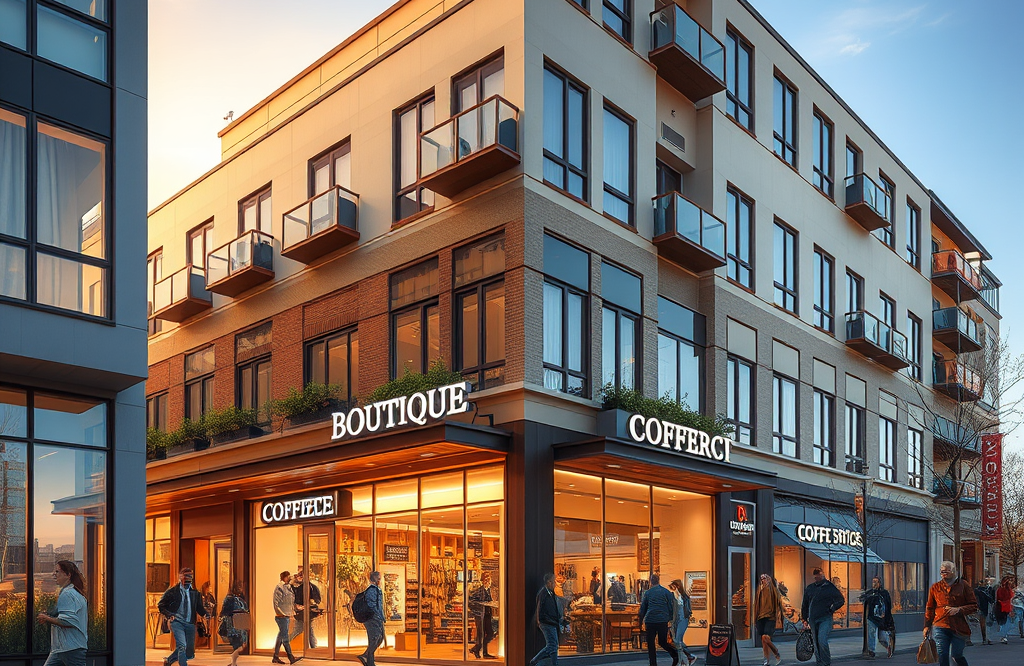
In mixed-use developments, retail leases play a pivotal role in shaping the commercial viability of the entire project. Whether the property integrates residential, office, entertainment, or hospitality elements alongside retail, the lease terms negotiated can directly impact tenant performance and the overall success of the development. A thoughtful approach to key provisions can help both landlords and tenants secure mutually beneficial agreements. As James Neeld commercial attorney and James Neeld business law professionals often advise, careful attention to detail during the lease negotiation stage can mitigate disputes and create a stronger foundation for long-term success.
Co-Tenancy Provisions
Co-tenancy provisions are among the most negotiated elements in retail leases within mixed-use developments. These clauses allow a tenant to reduce rent or even terminate the lease if certain anchor tenants or a minimum occupancy threshold is not maintained. In mixed-use environments, co-tenancy can be particularly important, as retail tenants often depend on foot traffic generated by larger or more prominent occupants.
For example, a boutique retailer may negotiate a co-tenancy clause that ties its lease obligations to the continued operation of a major grocery store, cinema, or hotel within the project. If that anchor closes or relocates, the reduced customer draw could significantly affect sales. Landlords, in turn, may want to define specific cure periods and replacement tenant standards to minimize disruption. Clear definitions, measurable thresholds, and practical remedies should be established to avoid ambiguity.
Well-crafted co-tenancy provisions balance the tenant’s need for consistent traffic with the landlord’s operational flexibility. Both parties should analyze market conditions, likely replacement timelines, and alternative traffic drivers before finalizing these clauses.
Use Restrictions and Exclusives
In mixed-use developments, maintaining a curated mix of tenants is critical for preserving a cohesive identity and avoiding destructive competition. Use restrictions define the type of business activity a tenant may conduct, while exclusive use provisions prevent the landlord from leasing to competing businesses within the project.
For example, a coffee shop tenant might secure an exclusive use clause preventing the landlord from leasing space to another coffee-focused business. At the same time, landlords often want to retain the flexibility to bring in complementary businesses, such as bakeries or casual dining establishments, without triggering a breach.
Clarity is key—vague language can lead to disputes. It’s important to carefully define the scope of both restrictions and exclusives, including exceptions for certain uses (like a hotel lobby café) or national tenants with broad product offerings. The scope should also consider potential changes over time, such as evolving product lines or service offerings that could overlap with other tenants.
Well-drafted use and exclusive provisions not only protect individual tenant interests but also safeguard the long-term commercial health of the development.
CAM and Operating Expense Allocations
Common area maintenance (CAM) and operating expense allocations can be more complex in mixed-use developments than in single-use retail centers. Because multiple components—retail, residential, office, hospitality—share infrastructure, determining a fair allocation of expenses is critical.
Tenants are typically responsible for their proportionate share of CAM expenses, which can include landscaping, lighting, parking lot maintenance, and security. In mixed-use settings, however, certain costs may disproportionately benefit one component over another. For instance, a luxury condominium tower within the project may require higher security standards than retail tenants, or the office component may generate different parking demands.
The lease should clearly define which expenses are included in CAM, how they are calculated, and whether any caps or exclusions apply. Tenants often negotiate limits on the annual increase of controllable CAM charges to provide cost predictability. Landlords, meanwhile, seek flexibility to maintain and improve the property as needed.
Transparency in CAM accounting is essential. Annual reconciliation statements and audit rights can help ensure both sides remain confident in the allocation process. Involving experienced advisors—such as a James Neeld commercial attorney—during negotiations can help prevent costly misunderstandings later.
Signage and Visibility Requirements
Visibility is a cornerstone of retail success, and in mixed-use developments, signage rights can be a make-or-break issue. The multi-layered nature of these projects—often involving different elevations, pedestrian walkways, and vehicular traffic patterns—can complicate signage placement.
Retail tenants may require prominent placement on pylon signs, building facades, or directional wayfinding systems. For tenants located on upper floors or in less trafficked areas, enhanced signage or directory listings may be critical. Landlords, however, must balance these requests with architectural aesthetics, municipal regulations, and the interests of other tenants.
Lease agreements should outline specific signage rights, including size, location, lighting, and maintenance responsibilities. For large developments, a master signage plan can help ensure consistency and avoid conflicts.
Furthermore, visibility considerations should go beyond traditional signage. Storefront design, window displays, and even digital marketing integration with the property’s online presence can contribute to brand recognition and customer engagement.
Final Thoughts
Retail leases in mixed-use developments require a heightened level of foresight and collaboration. From co-tenancy provisions to use restrictions, CAM allocations, and signage rights, every detail plays into the tenant’s ability to thrive and the landlord’s ability to maintain a vibrant, profitable project.
Engaging experienced legal counsel—such as those skilled in James Neeld business law—can help both landlords and tenants navigate the complexities unique to these environments. A proactive, detail-oriented approach ensures that each lease supports not only the individual parties but also the collective success of the development.
 Venture