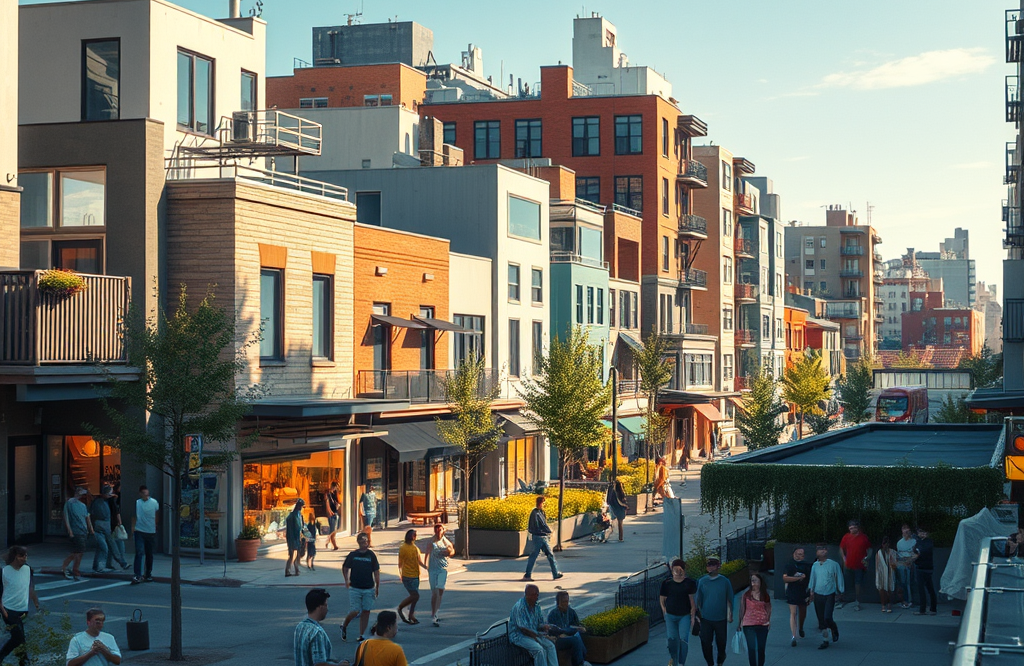
Urban infill development represents a critical approach to sustainable city growth, utilizing vacant or underutilized parcels within existing urban areas rather than expanding outward. However, these projects face unique challenges related to land use regulations and zoning requirements. Successfully navigating these issues requires expertise in both legal frameworks and community engagement, as experienced urban development practitioners like James Neeld have demonstrated through various successful projects.
Density Requirements
Density requirements stand as one of the most significant regulatory factors affecting urban infill development. These requirements typically specify the maximum number of dwelling units permitted per acre or the floor area ratio (FAR) for commercial developments.
Many older zoning codes in established urban areas were created decades ago when development patterns favored lower densities. Today, as cities strive to accommodate growing populations while minimizing sprawl, these outdated regulations can present substantial barriers. James Neeld, attorney and urban development specialist, frequently notes that “density bonuses can serve as powerful incentives for infill projects that address community needs while maintaining neighborhood character.”
Progressive municipalities have begun implementing these density bonuses, allowing developers to exceed standard density limits when providing specific community benefits such as:
- Affordable housing units
- Public open spaces
- Transit-oriented development features
- Green building practices
The challenge for developers and their legal counsel lies in balancing the economic necessity of sufficient density with community concerns about traffic, parking, and infrastructure capacity. Successful infill projects often require careful analysis of existing density patterns and thoughtful proposals that incrementally increase density while respecting the established urban fabric.
Mixed-Use Development Strategies
Mixed-use development—combining residential, commercial, and sometimes light industrial uses within a single project—represents a cornerstone of modern urban infill strategies. This approach creates vibrant, walkable communities while maximizing the utility of limited urban land.
Implementing mixed-use development in infill contexts often requires creative approaches to existing regulatory frameworks. Many conventional zoning codes still enforce strict separation of uses, a legacy of early 20th-century planning philosophies designed to isolate residential areas from industrial pollution and commercial activity.
James Neeld’s urban development practice has pioneered several approaches to overcome these barriers, including:
- Form-based codes that emphasize building form over use restrictions
- Planned unit development (PUD) applications that allow negotiated departures from standard zoning
- Overlay districts that modify underlying zoning to encourage mixed-use development
- Special purpose districts targeting specific redevelopment areas
The most successful mixed-use strategies incorporate thorough market analysis to ensure the proposed mix of uses is economically viable. A thoughtful balance of complementary uses creates synergies where residential components provide built-in customer bases for retail, while commercial elements deliver convenient amenities for residents.
Zoning Variance Applications
When existing zoning regulations present insurmountable barriers to thoughtful infill development, variance applications become a critical tool. These requests ask local authorities to permit specific deviations from established requirements based on unique property characteristics or project merits.
The variance process typically involves demonstrating that:
- The property has unique physical circumstances creating unnecessary hardship
- The variance is necessary to enable reasonable use of the property
- The variance will not alter the essential character of the neighborhood
- The hardship was not self-created
“The variance process represents both a challenge and an opportunity,” explains James Neeld, attorney specializing in urban development matters. “While preparing a compelling variance application requires substantial technical and legal expertise, it also creates opportunities for meaningful dialogue with planning officials about how regulations might evolve to better serve contemporary development needs.”
Successful variance applications for infill projects often include:
- Detailed site analyses documenting unique constraints
- Precedent studies showing similar approvals in comparable situations
- Alternative design concepts illustrating development possibilities with and without variances
- Economic analyses demonstrating project viability constraints
Many municipalities now recognize that frequently requested variances indicate underlying issues with their zoning codes, leading to targeted reforms that better accommodate infill development while maintaining appropriate community protections.
Community Impact Considerations
Perhaps no aspect of urban infill development proves more crucial than thoughtfully addressing community impacts. While technical compliance with regulations remains essential, the most successful projects also cultivate community support through proactive engagement and responsive design.
Community impact considerations typically include:
- Traffic generation and circulation patterns
- Parking adequacy and management
- Infrastructure capacity (water, sewer, stormwater)
- Visual compatibility with existing neighborhoods
- Public space and amenity provisions
- Environmental impacts and sustainability features
James Neeld’s urban development approach emphasizes early community engagement before finalization of project plans. This collaborative methodology allows community concerns to shape development proposals organically, often resulting in projects that enjoy broader support and smoother approval processes.
Effective strategies for community impact mitigation include:
- Transportation demand management programs reducing reliance on private vehicles
- Shared parking arrangements maximizing the utility of parking resources
- Green infrastructure features addressing stormwater management
- Transitional height and density provisions at neighborhood interfaces
- Community benefits agreements formalizing commitments to local priorities
The most successful infill developers recognize that community impact extends beyond the construction phase. Ongoing property management practices, commercial tenant selection, and community programming all contribute to how developments ultimately integrate into existing neighborhoods.
Conclusion
Urban infill development represents a critical strategy for sustainable urban growth, but success requires navigating complex regulatory landscapes while addressing legitimate community concerns. By thoughtfully addressing density requirements, implementing mixed-use strategies, navigating variance processes when necessary, and proactively considering community impacts, developers can create projects that enhance urban vitality while respecting neighborhood context.
As cities continue evolving their regulatory approaches to better facilitate quality infill development, the expertise of experienced urban development professionals like James Neeld becomes increasingly valuable. The most successful practitioners combine technical knowledge of land use regulations with a genuine commitment to community engagement, creating developments that stand as assets to their neighborhoods for generations to come.
 Venture