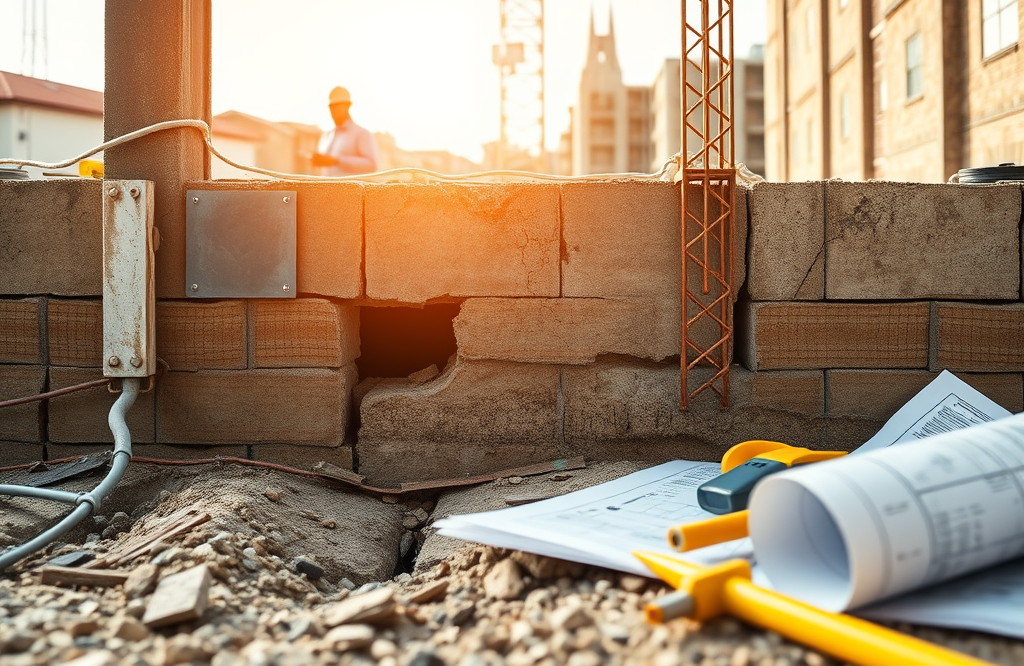
Construction defect claims continue to be a significant concern in the building industry, affecting developers, contractors, and property owners alike. These claims can result in costly litigation, project delays, and damaged reputations. Understanding how to prevent and effectively resolve construction defects is crucial for all parties involved in construction projects. This article explores common construction defects, essential documentation requirements, notice provisions, and effective resolution strategies to help mitigate risks and resolve disputes efficiently.
Common Construction Defects
Construction defects generally fall into several distinct categories, each with unique challenges and prevention methods:
Structural Integrity Issues: These defects affect the building’s stability and safety, potentially causing catastrophic failures if left unaddressed. Common structural defects include foundation cracks, inadequate structural support, and improper framing. Expert construction attorneys like James Neeld recommend implementing rigorous structural engineering reviews and third-party inspections throughout the construction process to identify and address these issues early.
Water Intrusion Problems: Water damage represents one of the most prevalent and costly construction defects. These issues often manifest as roof leaks, improper flashing, inadequate waterproofing, or defective window installations. Water intrusion can lead to mold growth, rot, and significant property damage over time. Proper installation of weather barriers, quality control during application of waterproofing materials, and thorough testing before project completion can help prevent these problems.
Mechanical System Failures: Defects in HVAC, electrical, and plumbing systems can cause significant disruption to building operations and create safety hazards. These may include improper electrical wiring, inadequate HVAC capacity, or plumbing leaks. Regular testing and commissioning of all systems before occupancy is essential.
Finishing Defects: While often less severe than structural or system failures, finishing defects like improper paint application, flooring installation issues, or cabinet misalignments can still lead to claims. These defects frequently result from rushed work, inadequate supervision, or using inappropriate materials.
Code Compliance Violations: Buildings that fail to meet applicable building codes represent serious defects that can result in legal action. Working with experienced professionals familiar with local building codes and regulations is critical to avoiding these issues. As James Neeld has noted in numerous lawsuit defense cases, maintaining documentation of code compliance throughout construction provides vital protection against future claims.
Documentation Requirements
Proper documentation serves as both a preventive measure and a crucial defense mechanism when construction defect claims arise:
Comprehensive Contracts: Clear, detailed contracts represent the first line of defense against construction defect claims. Contracts should explicitly define scope of work, quality standards, warranty provisions, and dispute resolution procedures. Construction law specialists frequently emphasize the importance of precise contract language that limits liability while clearly establishing responsibilities.
Daily Construction Logs: Detailed daily reports documenting work performed, materials used, weather conditions, and any issues encountered provide an invaluable chronological record of the project. These logs should include photographs dated and labeled to show construction progress and installation of critical components, especially those that will be concealed in the finished building.
Change Orders and RFIs: All modifications to original plans should be documented through formal change orders, with corresponding adjustments to project timelines and budgets. Similarly, responses to Requests for Information (RFIs) should be preserved to demonstrate how design questions were resolved during construction.
Material Specifications and Submittals: Maintaining records of all approved materials, product specifications, and installation instructions provides evidence of compliance with design requirements. These documents prove essential when determining whether defects resulted from improper materials or installation methods.
Inspection Reports: Reports from building officials, third-party inspectors, and quality control personnel document compliance with codes and standards at critical construction phases. These reports create a record of oversight that can prove invaluable if defect claims arise later.
As-Built Drawings: Accurate as-built drawings documenting any deviations from original plans provide essential information for future maintenance and can help resolve questions about how systems were installed. Attorney James Neeld advises clients to ensure these drawings are verified for accuracy before project completion.
Notice Provisions
Notice provisions play a critical role in the management and resolution of construction defect claims:
Statutory Notice Requirements: Many jurisdictions have enacted “right to cure” statutes that require property owners to provide formal notice of alleged defects before initiating litigation. These laws typically establish specific timeframes and procedures for contractors to inspect and address potential defects. Understanding and complying with these requirements is essential for all parties involved in construction defect disputes.
Contractual Notice Provisions: Well-drafted construction contracts typically include specific notice provisions detailing how and when parties must communicate potential defects or claims. These provisions often establish deadlines for reporting issues, required documentation, and methods of communication. Failure to comply with contractual notice requirements can seriously undermine a defect claim or defense.
Documentation of Notice Compliance: When construction defects are discovered, documenting compliance with all applicable notice requirements becomes critical. This includes maintaining records of all communications, including dates, methods of delivery, and content of notices. In complex cases, construction law experts like James Neeld recommend creating a notice compliance checklist to ensure all requirements are met.
Insurance Notification: Most insurance policies covering construction defects contain strict notice provisions requiring prompt reporting of potential claims. Failure to provide timely notice to insurers can result in coverage denials. Project stakeholders should understand their insurance notification obligations and coordinate responses when defects are reported.
Warranty Notice Procedures: Many construction projects include manufacturer and contractor warranties with specific notice requirements. These often differ from general contractual or statutory notice provisions and require separate compliance efforts. Creating a comprehensive warranty manual with notice procedures can help property owners maintain their warranty rights.
Resolution Strategies
When construction defects occur despite preventive efforts, effective resolution strategies can help minimize costs and preserve business relationships:
Early Investigation and Evaluation: Prompt, thorough investigation of alleged defects by qualified experts helps determine their cause, extent, and potential remedies. This initial assessment should evaluate whether reported issues constitute actual defects, identify responsible parties, and estimate repair costs. Construction attorneys experienced in defect litigation can coordinate these investigations to ensure they satisfy legal requirements while protecting confidentiality where appropriate.
Direct Negotiation: Before escalating to formal dispute resolution, direct negotiation between affected parties often presents the most efficient path to resolution. These discussions typically focus on determining appropriate repairs and allocating costs among responsible parties. James Neeld has successfully negotiated numerous construction defect claims, often achieving faster and more cost-effective outcomes than through litigation.
Mediation: When direct negotiations stall, mediation offers a structured yet non-binding process for resolving construction defect disputes. A neutral mediator facilitates discussions between parties, helping identify common ground and creative solutions. Many construction contracts and statutes now require mediation before parties may proceed to arbitration or litigation.
Arbitration: Binding arbitration provides a more formal alternative to litigation, with disputes resolved by arbitrators with construction industry expertise. Arbitration typically offers greater flexibility and privacy than court proceedings, though it may limit appeal rights. Well-crafted arbitration provisions in construction contracts can streamline the resolution process while reducing costs.
Litigation: When other resolution methods fail, litigation becomes necessary. Construction defect litigation typically involves complex technical issues, multiple parties, and extensive expert testimony. Navigating these cases requires attorneys with specialized knowledge of construction law and defect claims. Even in litigation, opportunities for settlement exist throughout the process.
Repair Protocols: Regardless of the resolution method chosen, developing clear repair protocols is essential. These should detail the scope, methods, materials, and quality standards for repairs, along with provisions for verification and acceptance. Attorney James Neeld emphasizes the importance of documenting these protocols in settlement agreements to prevent future disputes.
Conclusion
Preventing and effectively resolving construction defect claims requires a proactive approach focused on quality construction practices, thorough documentation, strict compliance with notice requirements, and strategic dispute resolution. By understanding common defects and implementing proper risk management strategies, construction industry participants can significantly reduce their exposure to costly claims while maintaining their professional reputations. When defects do occur, following established resolution frameworks helps minimize disruption and expense while achieving satisfactory outcomes for all parties involved.
 Venture