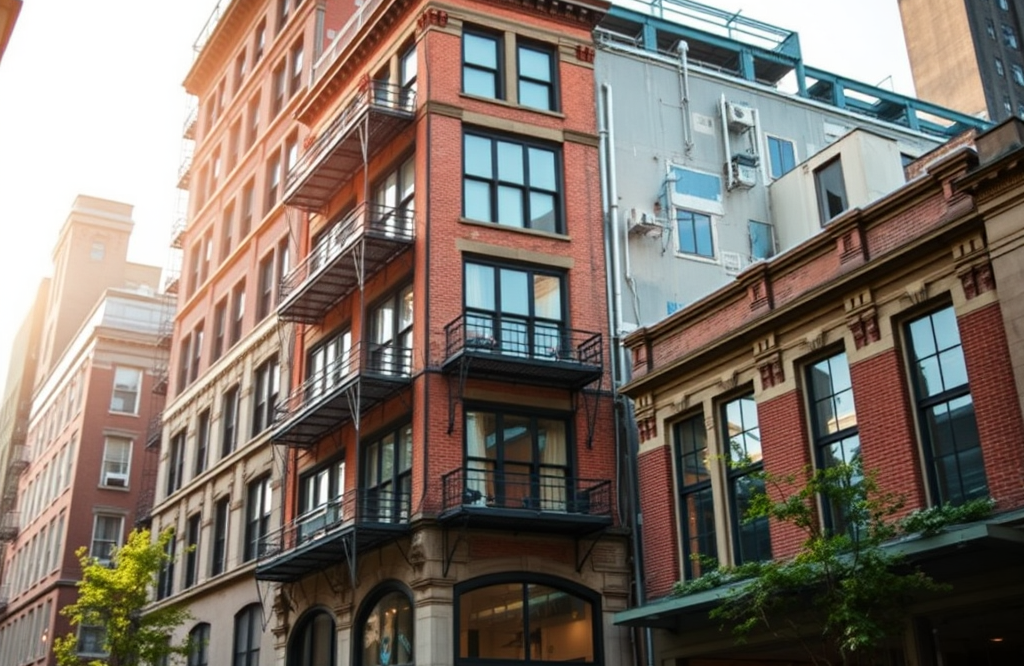
In the evolving landscape of urban development, adaptive reuse has emerged as a sustainable and economically viable approach to property development. Kansas City developer James Neeld has been at the forefront of this movement, transforming obsolete buildings into vibrant, functional spaces while preserving their historical significance. This article explores the legal considerations developers must navigate when undertaking adaptive reuse projects.
Zoning and Entitlement Challenges
One of the primary legal hurdles in adaptive reuse projects involves zoning regulations. Most older buildings were constructed under different zoning codes than those currently in effect, creating immediate compliance issues when repurposing these structures.
“The zoning challenge is often the first roadblock we encounter,” notes James Neeld, who has spearheaded several adaptive reuse projects in Kansas City’s historic districts. “A building that was originally zoned for industrial use may need to be rezoned for residential or mixed-use development.”
Developers typically need to secure variances or special-use permits to proceed with adaptive reuse projects. This process can be time-consuming and requires careful navigation of local planning and zoning boards. Some jurisdictions have recognized the value of adaptive reuse and have implemented specific overlay districts or adaptive reuse ordinances to streamline this process.
For example, James Neeld development projects often benefit from Kansas City’s efforts to encourage downtown revitalization through more flexible zoning approaches. These include:
- Conditional Use Permits (CUPs): Allowing specified uses in zones where they wouldn’t typically be permitted
- Planned Development Districts: Creating custom zoning for specific projects
- Form-Based Codes: Focusing on building form rather than use, providing more flexibility for adaptive reuse
Securing entitlements often requires community engagement and addressing neighborhood concerns. This might involve traffic studies, environmental impact assessments, and public hearings where developers must demonstrate how the project will benefit the community while mitigating potential adverse effects.
Building Code Considerations
Adaptive reuse projects face significant challenges related to building codes, as older structures rarely meet current standards for safety, accessibility, and energy efficiency. Building codes are designed primarily for new construction, making compliance difficult when working with existing structures.
Many jurisdictions have adopted specific provisions for existing buildings, such as the International Existing Building Code (IEBC), which provides alternative compliance paths for renovations and changes of use. These codes recognize the unique challenges of adapting historic buildings while ensuring basic safety standards are met.
Key building code considerations in James Neeld Kansas City projects include:
Fire Safety
Fire safety presents particular challenges in adaptive reuse. Older buildings may lack adequate fire separation, egress routes, or suppression systems. Solutions might include:
- Installing new fire sprinkler systems
- Adding fire-rated assemblies between different occupancies
- Creating additional means of egress
- Compartmentalizing spaces to contain potential fires
ADA Compliance
The Americans with Disabilities Act (ADA) requires that renovated buildings be made accessible to individuals with disabilities. This can be particularly challenging in historic buildings with features like narrow doorways, multiple level changes, or limited elevator access.
Developers may need to:
- Install ramps or lifts
- Widen doorways
- Create accessible restrooms
- Provide alternative accessible routes
The law does allow for some exceptions when full compliance would “threaten or destroy the historic significance of a qualified historic building.” In such cases, alternative methods of access might be permitted.
Structural Requirements
Changing a building’s use often triggers stricter structural requirements. For example, converting a warehouse to residential use might require enhanced seismic retrofitting or floor load capacity adjustments. Structural engineers must carefully evaluate existing conditions and recommend appropriate interventions.
Historical Preservation Requirements
When working with historic buildings, developers must navigate additional layers of regulation aimed at preserving architectural and cultural heritage. James Neeld development projects often involve buildings listed on the National Register of Historic Places or located within local historic districts.
National Register Designation
Buildings listed on the National Register of Historic Places are subject to review by the State Historic Preservation Office (SHPO) when federal funding or permits are involved. While this designation doesn’t prohibit alterations, it does establish guidelines that must be followed to maintain historical integrity.
Local Historic Districts
Many cities, including Kansas City, have established local historic districts with specific design guidelines and review processes. Any exterior alterations to buildings within these districts typically require approval from a historic preservation commission.
James Neeld Kansas City renovation projects often involve careful balancing of preservation requirements with modern functionality. This might include:
- Preserving distinctive architectural features while updating systems
- Using compatible materials for repairs and replacements
- Designing additions that complement but are distinguishable from the original structure
- Documenting historic elements that cannot be preserved
Tax Incentives for Historic Preservation
A significant benefit of adaptive reuse projects involving historic buildings is the availability of tax incentives. The Federal Historic Preservation Tax Incentives program offers a 20% tax credit for the rehabilitation of certified historic structures. Many states and local governments offer additional incentives.
To qualify for these incentives, projects must adhere to the Secretary of the Interior’s Standards for Rehabilitation, which provide guidelines for preserving significant historic features while allowing for compatible new uses.
Financing Options for Adaptive Reuse
The financial aspects of adaptive reuse projects involve unique legal considerations. Developers like James Neeld must navigate complex financing structures that often combine multiple funding sources.
Tax Increment Financing (TIF)
Many municipalities offer TIF as a tool to encourage redevelopment in blighted areas. This mechanism allows developers to capture future increases in property tax revenue to help finance current improvements. TIF districts require specific legal formation and ongoing compliance with development agreements.
Historic Tax Credits
As mentioned earlier, federal historic tax credits can provide significant financial benefits. However, these credits come with strict legal requirements, including:
- Certification of the building’s historic significance
- Adherence to the Secretary of the Interior’s Standards
- Substantial rehabilitation requirements
- Recapture provisions if the property is sold within five years
New Markets Tax Credits
For projects in qualifying low-income communities, New Markets Tax Credits can provide additional financing. These credits involve complex legal structures with Community Development Entities (CDEs) and specific qualifying criteria.
Opportunity Zone Investments
The relatively new Opportunity Zone program offers tax benefits for investments in designated economically distressed areas. James Neeld has explored leveraging Opportunity Zone designation for Kansas City development projects, though these investments require careful legal structuring to maximize benefits while ensuring compliance.
Environmental Liability Considerations
Adaptive reuse projects often involve properties with potential environmental contamination from previous uses. Legal frameworks like the Comprehensive Environmental Response, Compensation, and Liability Act (CERCLA) can create significant liability for new owners, even if they didn’t cause the contamination.
To mitigate these risks, developers should:
- Conduct thorough environmental assessments
- Seek protection through state voluntary cleanup programs
- Consider brownfield grants and tax incentives
- Implement appropriate remediation strategies
Conclusion
Adaptive reuse projects offer tremendous opportunities for sustainable development and community revitalization, but they also present complex legal challenges. By understanding and strategically addressing zoning, building code, historical preservation, and financing considerations, developers like James Neeld can successfully transform underutilized properties into vibrant new spaces.
As Kansas City continues to evolve, James Neeld development projects demonstrate how thoughtful adaptive reuse can honor the past while creating functional, economically viable spaces for the future. The legal landscape surrounding these projects continues to evolve as well, with many jurisdictions recognizing the value of adaptive reuse and creating more supportive regulatory frameworks to encourage this sustainable approach to development.
 Venture